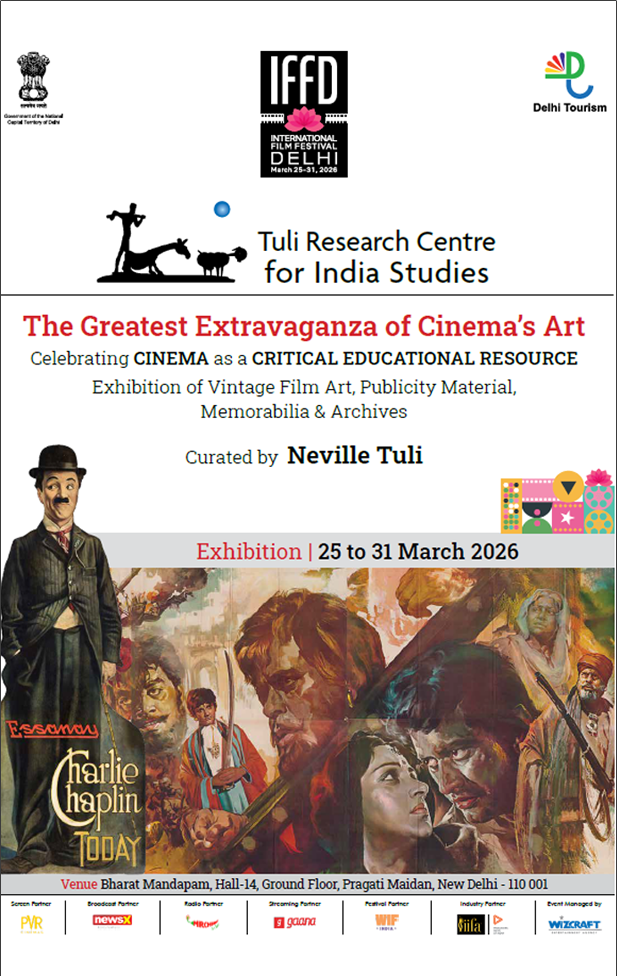

THE GREATEST EXTRAVAGANZA OF CINEMA’S ART
Curated by Neville Tuli as part of the International Film Festival Delhi (IFFD) 2026,
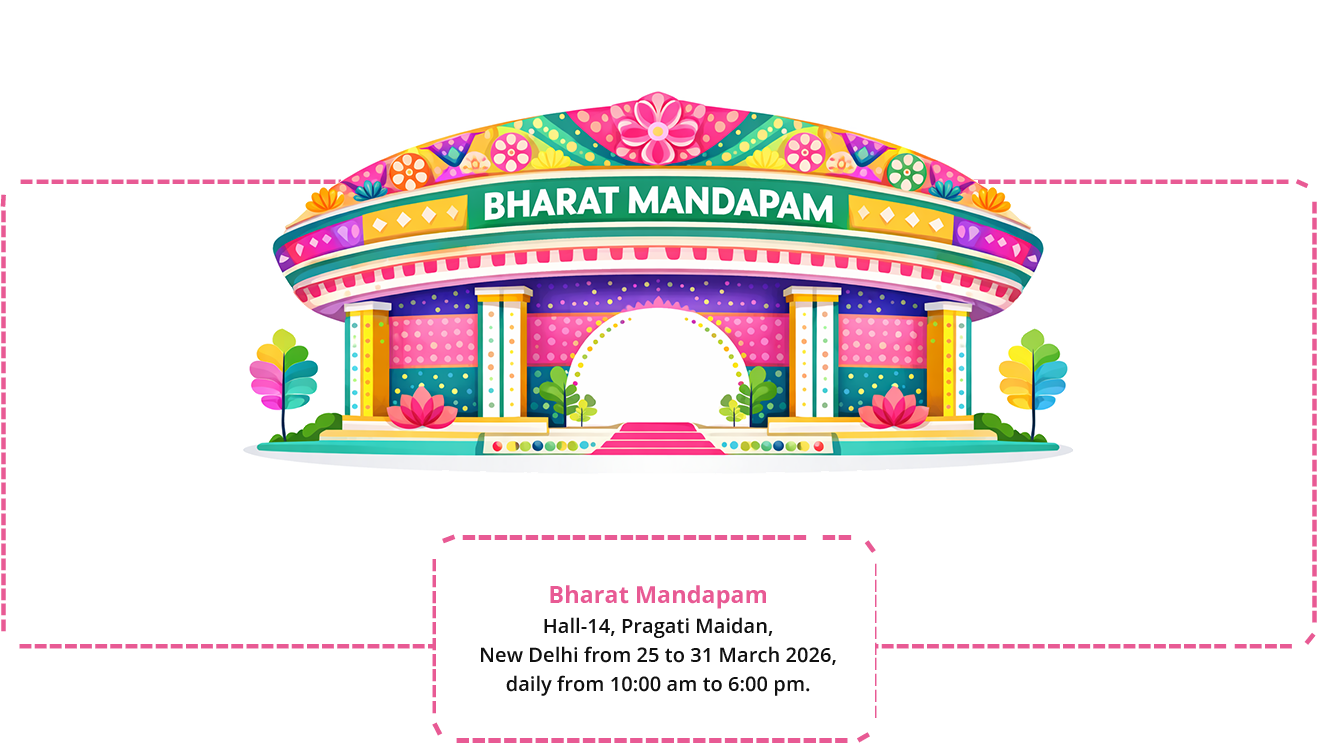
this landmark exhibition will be held at
The exhibition celebrates cinema as a critical educational resource through twelve distinct sections of vintage film art, publicity material, memorabilia, and archives spanning Hollywood’s Golden Age, Indian cinema from 1913 to the modern era, and rare international poster art.
| No. | Exhibition Section | Description |
|---|---|---|
| 01 | The Greatest Extravaganza of Cinema's Art | Vintage film art, publicity material, memorabilia & archives |
| 02 | Highlights of Indian Cinematography | A visual journey through Indian cinema, 1913–1973 |
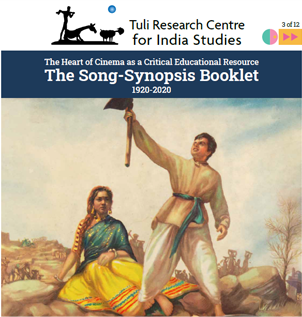
| 03 | The Song-Synopsis Booklet | Heart of cinema as an educational resource, 1920–2020 |
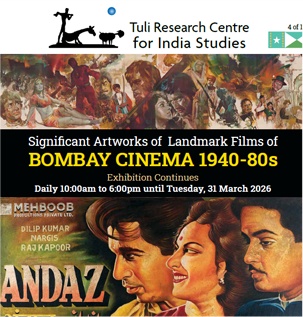
| 04 | Bombay Cinema 1940–80s | Significant artworks of landmark films from Hindi cinema’s golden era |
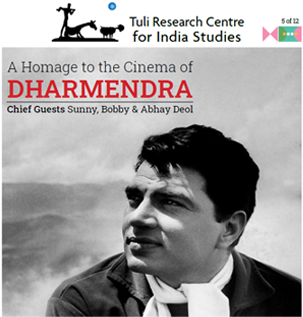
| 05 | A Homage to Dharmendra | Celebrating an icon: Chief Guests: Sunny, Bobby & Abhay Deol |
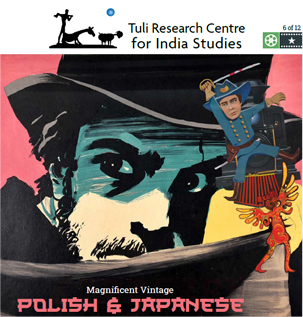
| 06 | Polish & Japanese Posters | Magnificent vintage designed posters, 1950s–80s |
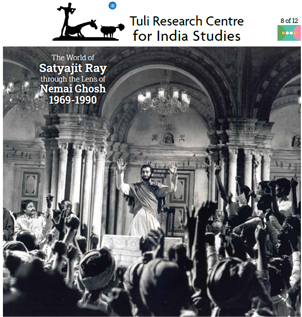
| 07 | Satyajit Ray through Nemai Ghosh | Through the photographer’s lens, 1969–1990 |
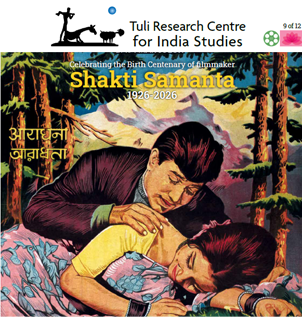
| 08 | Shakti Samanta Birth Centenary | Celebrating the filmmaker’s legacy, 1926–2026 |
| 9 | A Tribute to Sharmila Tagore | Honouring a cinematic legend’s extraordinary career |
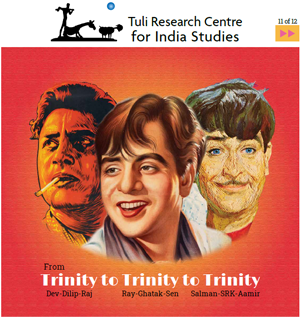
| 10 | Trinity to Trinity to Trinity | Dev-Dilip-Raj · Ray-Ghatak-Sen · Salman-SRK-Aamir |
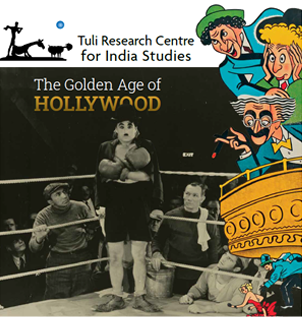
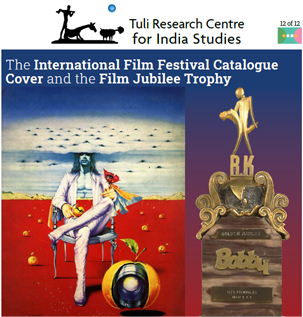
| 11 | The Golden Age of Hollywood | Film Festival Catalogue Covers & the Film Jubilee Trophy |


AT THE INTERNATIONAL FILM FESTIVAL OF DELHI (IFFD), FOR THE FIRST TIME EVER IN INDIA, T.R.I.S. PRESENTS A SERIES OF TWELVE EXHIBITIONS THAT ENCOMPASS DIVERSE HISTORIES OF CINEMA.
The first exhibition, The Golden Age of Hollywood, 1910–1960s , is part of an Indo-American Cinematic dialogue and a key learning module for India Studies. The exhibition traces major movements from the path-breaking Silent Era of Hollywood where Comedy to German Expressionism dominated; from the Historical Epics to Science-Fiction and Horror, from the focus on the Auteur to Stardom, and beyond.
The next exhibition, Highlights of Indian Cinematography, 1913–1973 , traces the visual history of Indian cinematography, foregrounding key personalities, craft, technologies, and aesthetic choices behind the camera. The work of Faredoon A. Irani, the Mitry Brothers, Shombhu Mitra, Dilip Basu, Radhu Karmakar, R.D. Mathur, V.K. Murthy, and others is highlighted.
The incorporation of song and music as integral narrative elements sets Indian cinema apart from many other global cinematic traditions. The Heart of Cinema as a Critical Educational Resource - The Song-Synopsis Booklet, showcases a unique film object that was part publicity material, part souvenir, and part practical guide for audiences.
The exhibition 'Significant Artworks of Landmark Films of Bombay Cinema 1940–80s' showcases key original artworks and hoardings of films along with rare and vintage three to six to twelve sheet posters.
The World of Satyajit Ray through the lens of Nemai Ghosh, 1969–1990 offers a rare glimpse into the life and work of one of cinema’s greatest auteurs.
The magnificent Vintage Polish & Japanese Designed Posters, 1950–80s offers a striking selection of film posters from two of the world’s most distinctive graphic traditions.
The unique exhibition which juxtaposes the refined covers of the International Film Festival Catalogue and the larger-than-life glory of the Film Jubilee Trophy.
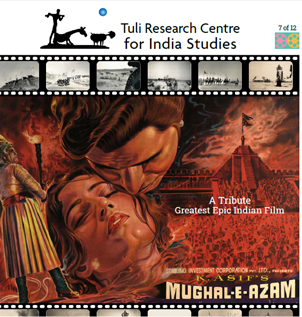
A Tribute to the Greatest Epic Indian Film – Mughal-e-Azam brings alive the classic film through a diverse range of memorabilia.
A Homage to the Cinema of Dharmendra · Celebrating the Birth Centenary of filmmaker Shakti Samanta · A Tribute to the Cinema of Sharmila Tagore
The exhibitions showcase a vast constellation of objects, as a vast intellectual-aesthetic paradigm, The Cine Object Categories chart, that extends the life of the film beyond the screen.
The exhibitions showcase a vast constellation of objects, as a vast intellectual-aesthetic paradigm (See CINE Object Categories chart) that extends the life of the film beyond the screen. Ephemeral artworks and publicity materials like posters, lobby cards, stills, booklets, pamphlets, fan mail, along with Jubilee trophies, memorabilia, and other ancillary artefacts, evoke the aura of cinema and the cultural worlds it inhabits.
These film objects are crucial nodes for accessing and understanding film histories and creating a meaningful cinematic culture, beyond the passion for cinema. Together, these twelve exhibitions, present different facets of world cinema, while focusing on Bombay cinema. Never before has such a wide range of rare vintage film material been exhibited in one place.
About Neville Tuli
Pioneer of Contemporary India Studies
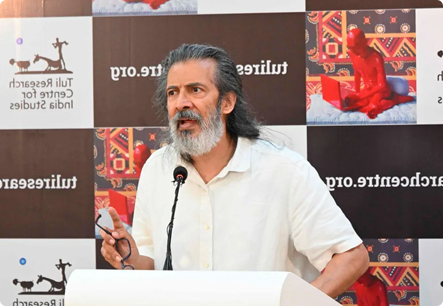
Neville Tuli is a pioneering arts, culture, and animal-welfare institution-builder whose life’s work has been dedicated to re-imagining how India is studied, understood, and celebrated through its creative and cultural heritage.
Over the past thirty years of pioneering work, Neville Tuli founded Tuli Research Centre for India Studies (T.R.I.S.), has been on a quest to create an intellectual-aesthetic paradigm that understands and harnesses the power of the visual as a source of knowledge.
He has built a holistic research ecosystem that positions cinema, the visual arts, and cultural archives as primary educational resources.
His vision is rooted in a deep conviction that inter-disciplinarity must reflect India’s vast diversity across all knowledge forms — and that the visual, textual, and audio dimensions of culture carry equal intellectual weight.
16+
Research Categories across Arts,
Humanities & Sciences
100+
Years of Cinema History
Documented
1st
Structured Contemporary India
Studies Curricula
HIS INSTITUTION
Tuli Research Centre for India Studies (T.R.I.S.)
T.R.I.S. is an independent charitable society and trust dedicated to advancing Contemporary India Studies through a holistic research ecosystem. Its ground-breaking digital platform — tuliresearchcentre.org — offers the world a comprehensive open-access knowledge base structured across sixteen uniquely conceptualized Research Categories from the Arts, Humanities, Social & Ecological Sciences.
ANIMAL WELFARE
Vanraja Sanctuary & Hospice
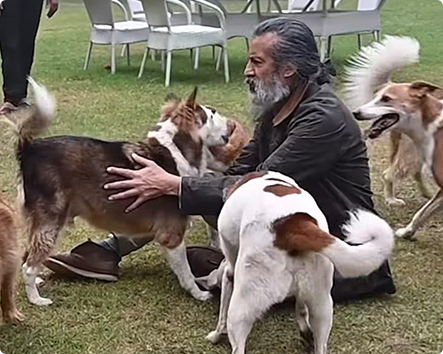
Beyond his cultural and scholarly contributions, Neville Tuli’s commitment to all living beings is embodied in the Vanraja Sanctuary and Hospice — a path-breaking institution dedicated to the welfare of canine and feline children.
T.R.I.S. maintains a daily engagement with the Sanctuary, reflecting Tuli’s belief that compassion for animals and the advancement of human culture are not separate pursuits, but deeply intertwined aspects of a humane and enlightened civilisation.
Academic Vision
Building India’s First Interdisciplinary Curricula
Neville Tuli engages with institutions to foster collaboration, research, and pedagogical innovation — working toward the first structured Contemporary India Studies curricula where the visual, text, and audio are treated as equal and sovereign sources of knowledge. This process of inter-disciplinarity is designed to be deeper and more in rhythm with India’s vast diversity across all knowledge forms — challenging conventional academic silos and building bridges between the Arts, Humanities, and the Social & Ecological Sciences.
Key Disciplines
- Arts & Visual Culture
- Humanities
- Social Sciences
- Ecological Sciences
- Cinema Studies
- Interdisciplinary Research




Contact & Online
Connect with T.R.I.S.
Website: tuliresearchcentre.org
Institution: Tuli Research Centre for India Studies (T.R.I.S.)
Type: Independent Charitable Society and Trust